Common Mistakes to Avoid When Building a Custom Home

October 8, 2025

One of the most common mistakes in custom home building is failing to plan thoroughly. Homeowners may rush the design phase or overlook critical details, such as room flow, storage needs, or future expansion possibilities. Proper planning ensures that the layout, materials, and overall design align with your lifestyle and long-term goals. Working with experienced architects and builders early in the process can prevent costly changes later.

2. Ignoring Budget Realities

Underestimating costs is another major issue. From construction materials to permits and unexpected upgrades, expenses can quickly add up. Many homeowners start with a budget that doesn’t leave room for contingencies, which can lead to compromises in quality or design. To avoid this, establish a detailed budget that includes a buffer for unexpected costs and stick to it. Transparency with your builder about your financial limits is key to staying on track.

3. Choosing the Wrong Builder

Selecting a builder solely based on price can be a costly mistake. Experience, reputation, and quality of work are far more important factors. An inexperienced builder may cut corners or fail to meet deadlines, affecting both the timeline and the quality of your home. Research builders thoroughly, check references, and visit completed projects to ensure you are partnering with a reliable professional.

4. Overlooking Future Needs

It’s easy to focus on current preferences and forget long-term considerations. Family growth, accessibility, energy efficiency, and resale value are all important factors that should influence design decisions. By anticipating your future needs, you can create a home that continues to serve your family well for years to come, avoiding costly renovations down the line.

5. Neglecting Communication

Poor communication between homeowners, architects, and builders can result in misunderstandings, delays, and mistakes. Regular updates, clear documentation, and active involvement in the process are essential. Open communication ensures that your vision is accurately translated into reality and that problems are addressed promptly before they escalate.

Partner with Professionals You Can Trust

Avoiding these common mistakes is crucial for a smooth, successful custom home-building experience. By planning thoroughly, setting a realistic budget, choosing the right builder, considering future needs, and maintaining strong communication, you can ensure your dream home meets your expectations. At Cal-X Builders Inc., we bring 7 years of experience in creating custom homes in Burbank, CA, guiding clients through every stage of the process with professionalism and care. Trust our team to help you turn your vision into a beautiful, functional home tailored to your lifestyle.

Building a custom home is an exciting journey, offering the chance to create a space that reflects your personal style and meets your family’s unique needs. However, it’s also a complex process that requires careful planning, coordination, and decision-making. Many homeowners make avoidable mistakes that can lead to delays, increased costs, or disappointment with the final result. Understanding common pitfalls before you start can save time, money, and stress. From budget miscalculations to design missteps, knowing what to watch out for ensures your dream home becomes a reality without unnecessary complications.

1. Skipping Proper Planning

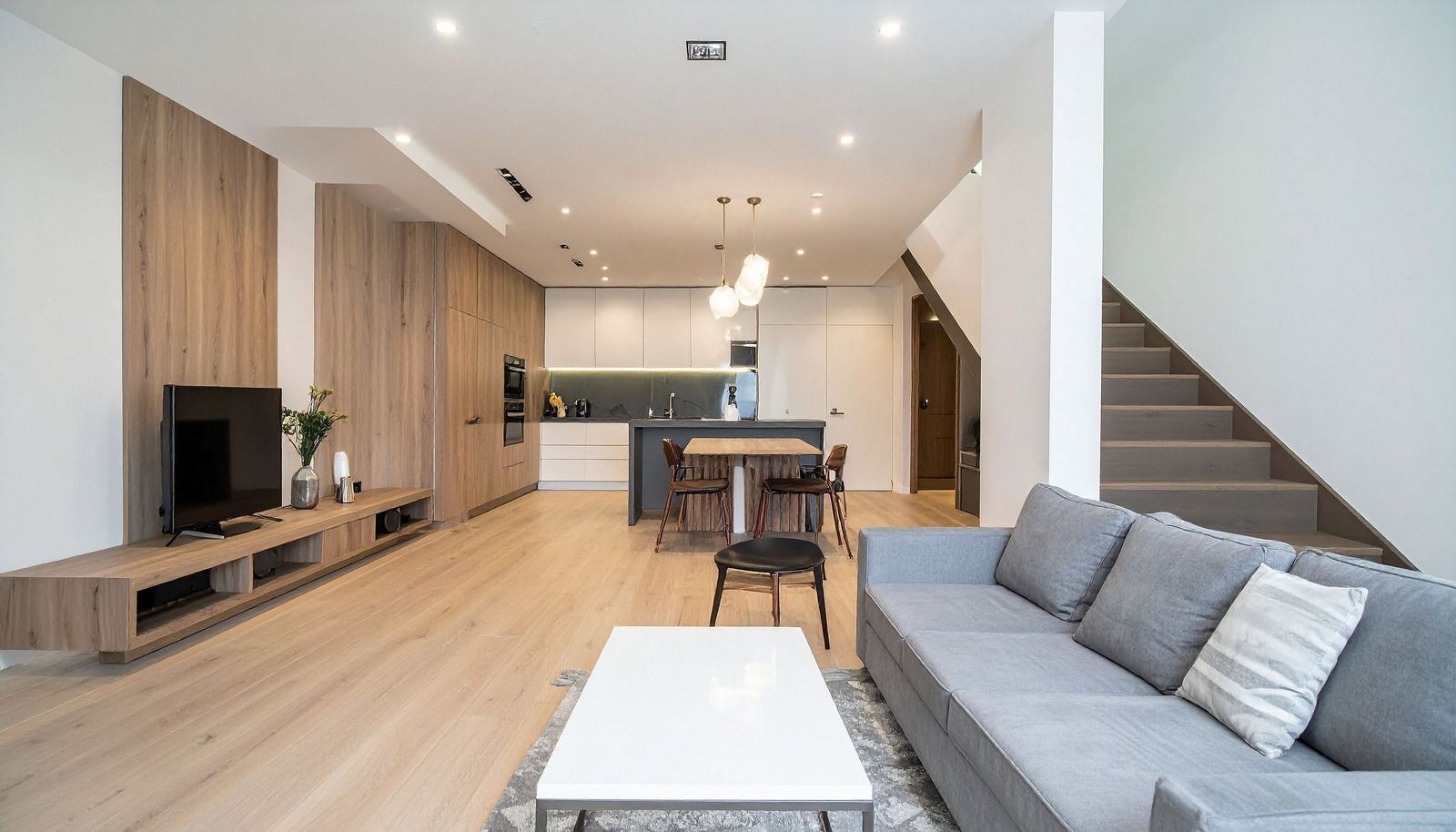
Modern open-plan living room with light wood floors, gray sofa, staircase, dining table, and kitchen area
August 11, 2026
Planning to remove a wall for an open floor plan? Get expert tips on load-bearing walls & safe renovations with Cal-X Builders Inc.
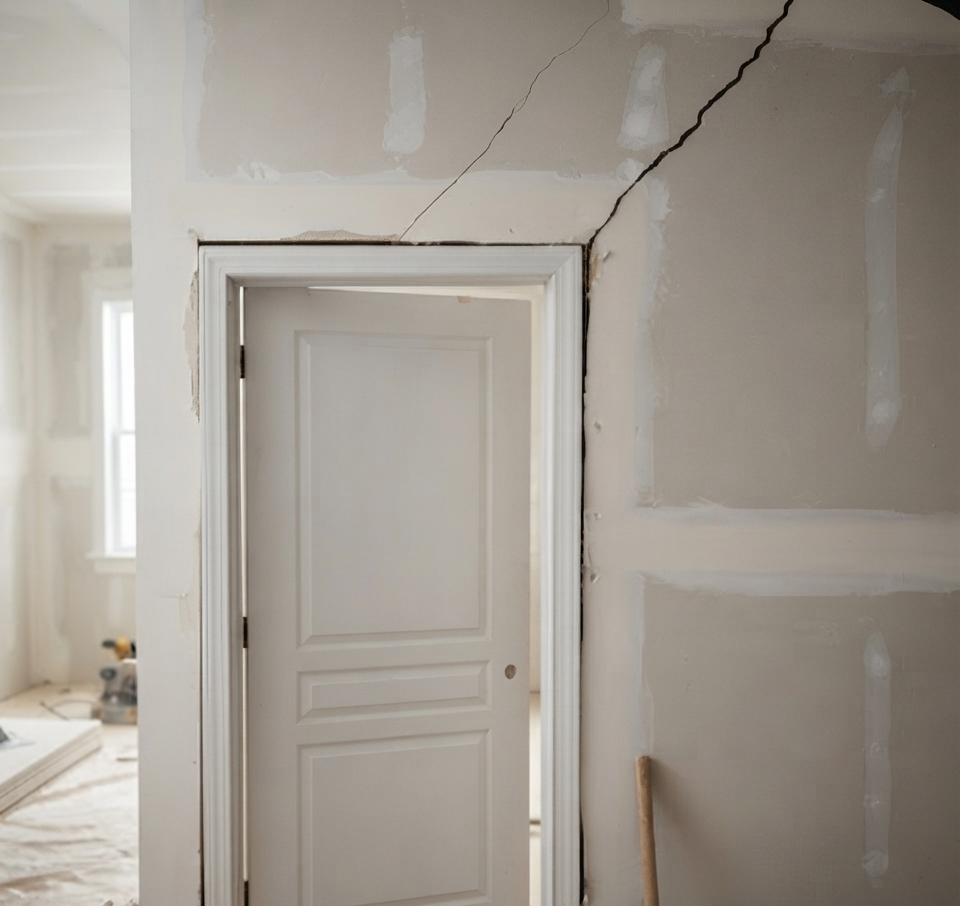
White interior door in a wall with visible drywall patches and a large crack near the ceiling.
July 7, 2026
Learn if cracks over doorways are cosmetic or structural. Contact us for expert advice on your remodeling project!

Large beige suburban house with dormer windows, a front porch, and a green lawn under a blue sky
June 9, 2026
Most people have watched a house go up from the street. You drive past an empty lot one week, and a few months later there is a framed structure where nothing existed before. What happens between those two points is not a linear sprint from dirt to drywall.