What to Expect During a Full-Scale Home Improvement Project
Undertaking a full-scale home improvement project is an exciting yet complex endeavor. Whether you are renovating your kitchen, adding a new room, or updating your entire home, the process requires careful planning, a clear understanding of costs, timelines, and an awareness of potential challenges. Many homeowners enter these projects with high expectations but are often surprised by the intricacies involved. Knowing what to anticipate can prevent stress, ensure smoother execution, and ultimately lead to a more satisfying outcome.
Full-scale renovations impact not only your home but also your daily routine. Disruptions to your living space, budget management, and decision-making responsibilities can feel overwhelming without proper preparation. Understanding the phases of a home improvement project—from initial planning and budgeting to construction and finishing touches—can help homeowners navigate the journey more effectively. This guide explores the key stages, potential challenges, and expert tips for making your renovation experience organized, efficient, and rewarding. Whether you’re a first-time renovator or experienced homeowner, these insights will equip you to approach your project with confidence and clarity.
1. Planning and Budgeting Your Project
Assessing Your Needs and Goals
The first step in any home improvement project is understanding why you are renovating. Are you aiming to increase home value, improve functionality, or enhance aesthetics? Create a detailed list of priorities and desired outcomes. This helps avoid unnecessary expenses and ensures that the project aligns with your long-term goals. For example, if your kitchen remodel aims to create a more open and efficient space, identifying must-have appliances, storage solutions, and workflow patterns early will guide design decisions.
Setting a Realistic Budget
Budgeting is crucial for maintaining financial control throughout the project. Factor in construction costs, permits, design fees, contingency funds, and unexpected expenses. A common rule of thumb is to allocate 10–20% of your budget for unforeseen costs, such as structural issues or hidden damages uncovered during renovations. For instance, during a bathroom remodel, you might discover outdated plumbing that requires replacement, which can add significant costs if not anticipated.
Research and Expert Consultation
Consulting with architects, designers, or contractors during the planning stage can provide professional insight, helping to refine your vision and avoid costly mistakes. They can provide realistic timelines, material recommendations, and identify potential structural challenges early on. Homeowners who engage experts from the start often experience smoother project execution and more predictable results.
2. Design and Pre-Construction Preparations
- Finalizing Design Plans:- Once goals and budgets are established, detailed design plans need to be created. This involves floor plans, material selection, color schemes, and functionality considerations. For example, selecting durable flooring materials for high-traffic areas or ensuring adequate natural light in living spaces can improve both comfort and long-term home value.
- Securing Permits and Approvals:- Most large-scale renovations require building permits to ensure compliance with local codes and safety regulations. Obtaining permits may involve inspections and approvals from municipal authorities, which can take time. Starting this process early prevents delays and potential legal issues. For instance, adding a second story or remodeling structural elements often necessitates detailed engineering plans and formal approvals.
- Preparing the Site:- Preparing your home for construction involves moving furniture, securing valuables, and setting up temporary living arrangements if needed. Homeowners often underestimate the disruption caused by construction noise, dust, and limited access to certain areas. Creating a staging plan and designating specific zones for workers can help maintain order and minimize stress during construction.
3. Demolition and Structural Changes
Demolition Phase
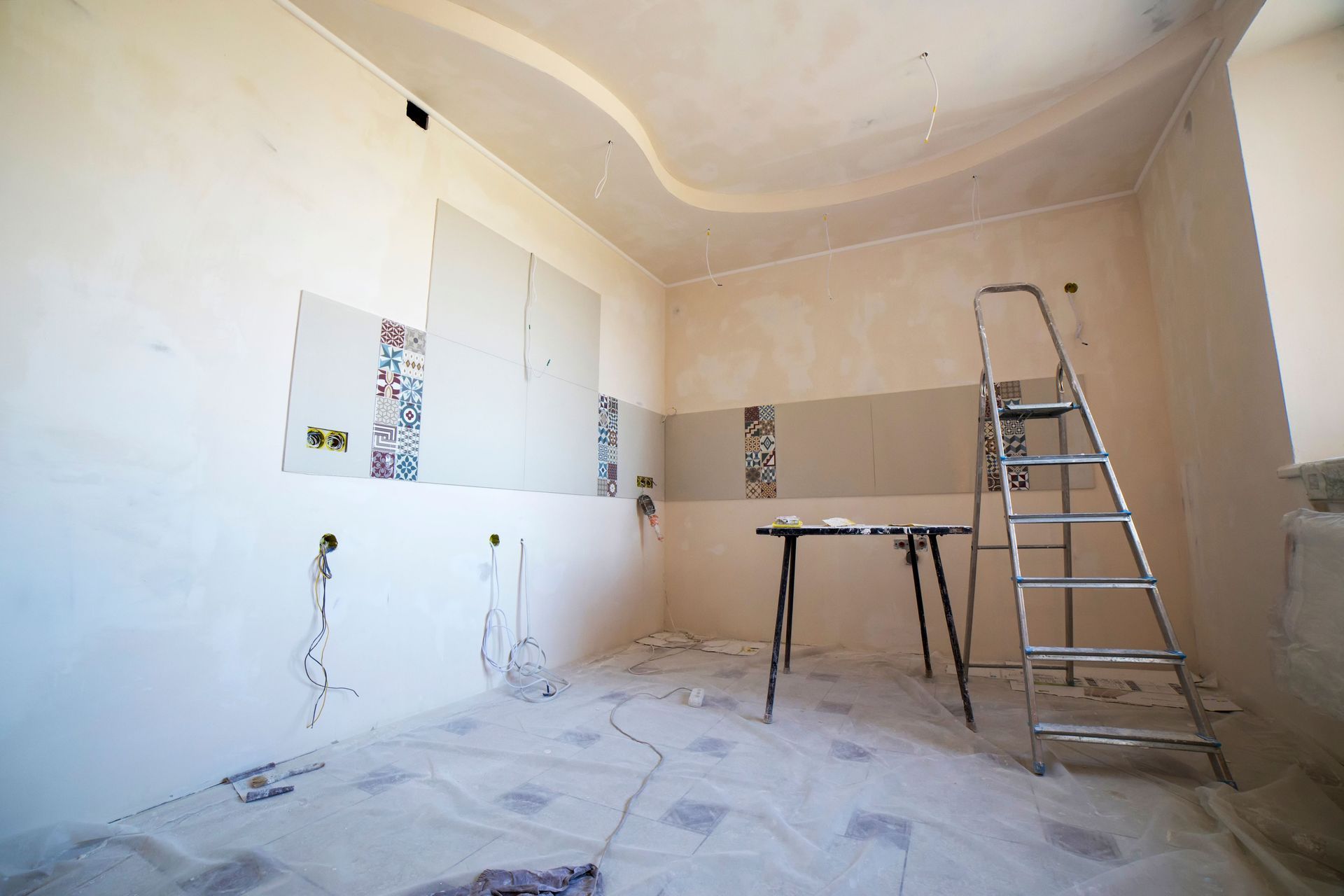
Demolition is one of the first visible signs of progress but can also be one of the messiest. Walls may need to be removed, old fixtures dismantled, or outdated materials discarded. Safety precautions are critical, both for workers and occupants. Real-world scenario: during a kitchen renovation, a homeowner may discover asbestos in old insulation, requiring professional removal. Awareness of potential hazards ensures safety and prevents costly delays.
Structural Improvements
After demolition, structural changes are addressed. This can include adding or removing walls, reinforcing foundations, or expanding spaces. Structural integrity is paramount—incorrect modifications can lead to severe long-term problems. For example, removing a load-bearing wall without proper support can compromise the entire building. Experienced contractors use engineering assessments to guide these critical adjustments.
Plumbing, Electrical, and HVAC Updates
Major renovations often require updates to plumbing, electrical wiring, and HVAC systems. Upgrading outdated infrastructure improves efficiency, safety, and compliance with modern building codes. For instance, a full-scale bathroom remodel may include replacing old pipes to prevent leaks and installing energy-efficient fixtures to reduce water consumption.
4. Construction and Installation
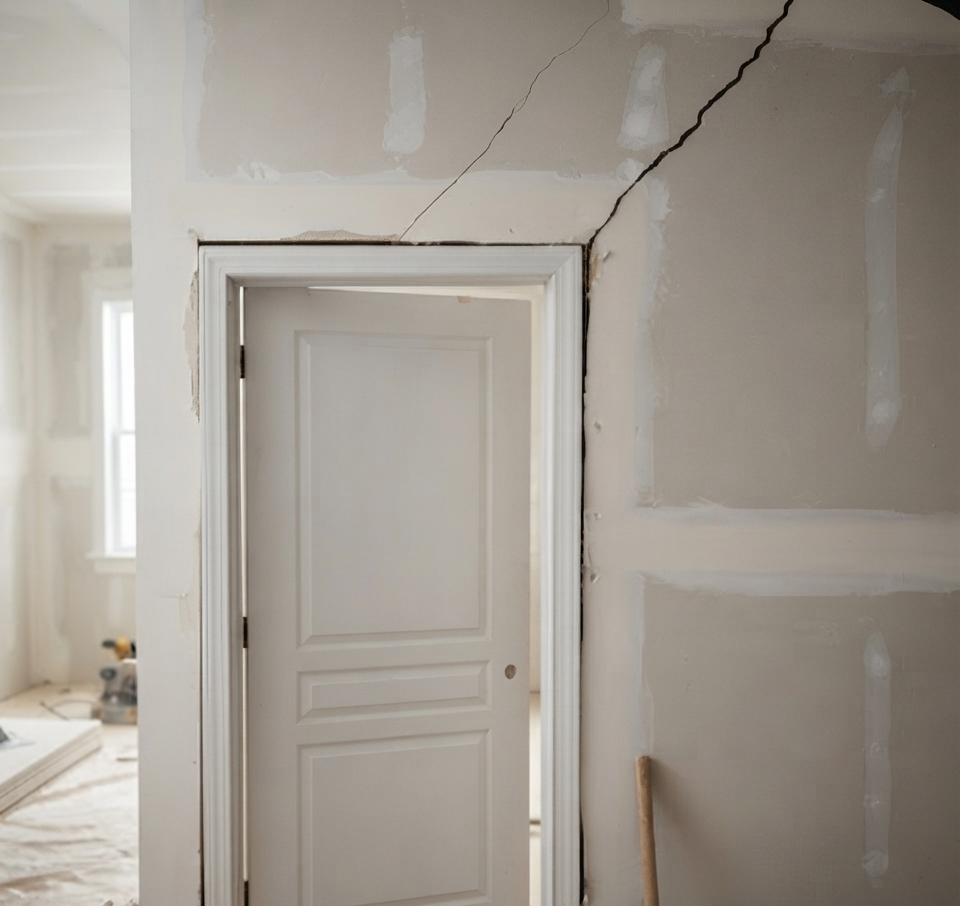
- Framing and Drywall:- Once structural adjustments are complete, framing for walls, ceilings, and other spaces begins. Drywall installation follows, forming the visible structure of your renovated areas. Precision during this phase ensures proper alignment and prevents future issues such as cracks or uneven surfaces.
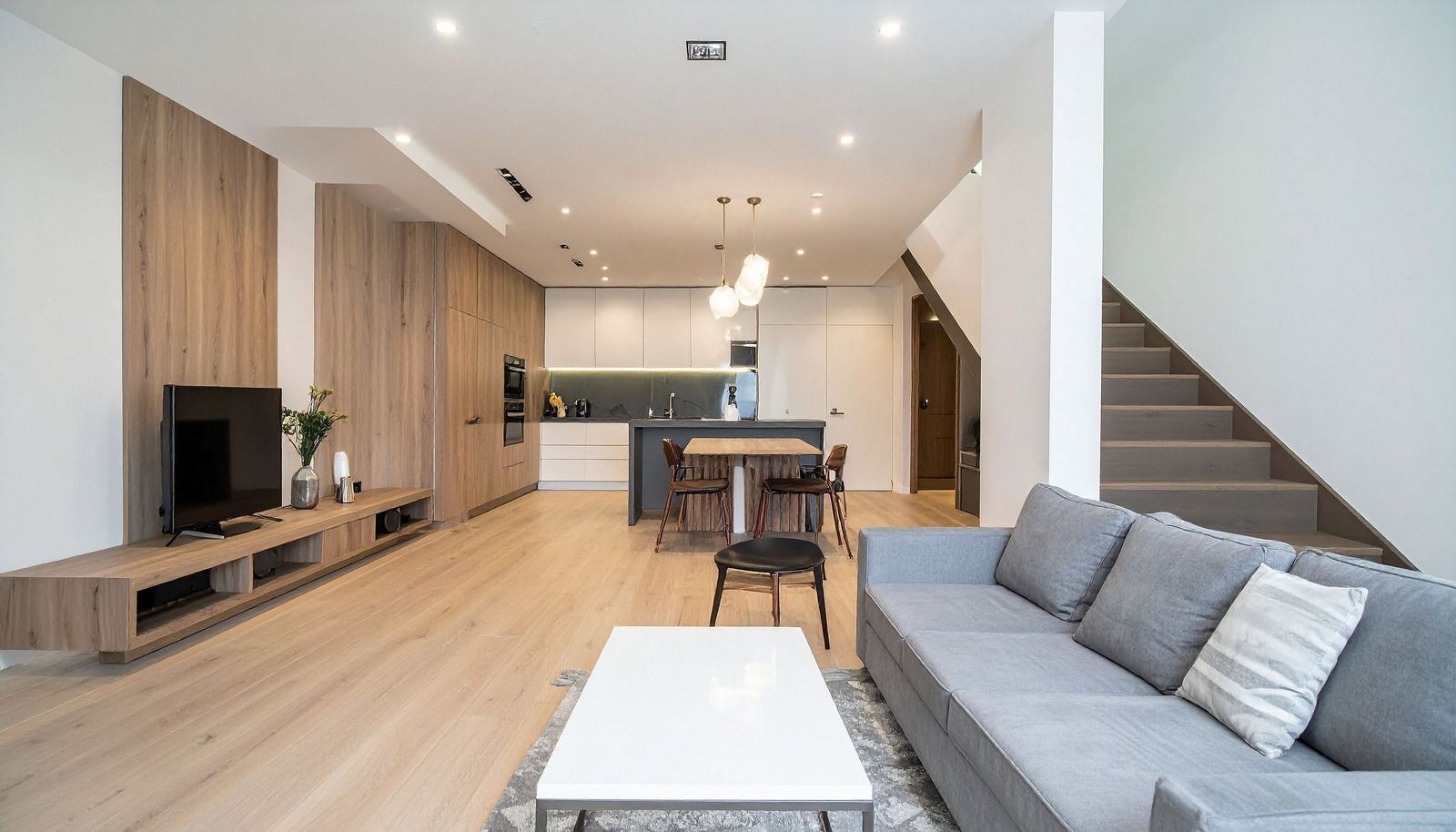
- Flooring and Cabinetry Installation:- Installing flooring, cabinetry, and built-in furniture is a significant milestone. Choosing durable materials that match design goals while considering long-term maintenance is essential. For instance, hardwood floors provide aesthetic appeal and durability, whereas luxury vinyl may offer a cost-effective alternative with easier upkeep. Proper installation ensures functionality, visual harmony, and value retention.
- Painting and Finishing Touches:- After major installations, painting, staining, and other finishing touches create the final aesthetic. Attention to detail during this phase, such as consistent paint coverage and seamless trim work, elevates the overall quality of the renovation. Including quality finishes like premium countertops or designer fixtures can enhance both visual appeal and home value.
5. Managing Timeline and Expectations
Understanding the Timeline
Large-scale renovations can take weeks or months, depending on project scope. Homeowners should set realistic expectations for project duration, factoring in delays caused by material shortages, weather conditions, or unexpected repairs. For example, ordering custom cabinetry may require additional lead time, impacting the overall schedule.
Communication with Contractors
Clear communication with contractors ensures everyone stays aligned on goals, priorities, and timelines. Regular meetings and progress updates help identify issues early and prevent misunderstandings. Homeowners who maintain open dialogue with their contractors often experience smoother project management and timely completion.
Preparing for Disruptions
Renovations often disrupt daily routines. Planning for temporary relocation, alternative cooking arrangements, and adjusted work-from-home setups can reduce stress. Understanding that some level of inconvenience is inevitable helps homeowners maintain patience and perspective throughout the project.
6. Quality Assurance and Final Inspection
- Conducting Walkthroughs:- As construction nears completion, conducting thorough walkthroughs ensures that all work meets expectations and contract specifications. Check for proper alignment, paint finishes, fixture functionality, and overall workmanship. Documenting issues and addressing them promptly prevents future complications.
- Final Approvals and Compliance:- Final inspections by building authorities verify code compliance, safety, and adherence to permits. Receiving official approvals confirms that the renovation meets legal and safety standards. For example, electrical and plumbing work must pass inspection before the project can be formally completed.
- Moving In and Enjoying the Renovation:- Once all approvals are secured, homeowners can begin moving furniture back, arranging décor, and enjoying their newly renovated spaces. Properly completing the project enhances both daily living and long-term property value. Establishing a maintenance routine ensures that new systems and materials remain in optimal condition, protecting the investment over time.
7. Selecting Materials and Fixtures Wisely
Choosing Durable and Cost-Effective Materials
Focus on materials that balance quality, longevity, and budget. Examples include engineered hardwood, quartz countertops, or energy-efficient windows, which provide lasting value and aesthetic appeal. Additionally, consider the local climate and usage patterns when selecting materials to ensure they withstand wear and environmental conditions over time.
Matching Fixtures to Design and Function
Select fixtures that enhance both style and usability, such as faucets, lighting, cabinetry handles, and door hardware, ensuring they complement the overall home design perfectly. Opt for finishes and designs that are easy to clean and maintain, which helps preserve their appearance and functionality for years.
Considering Sustainability and Energy Efficiency
Eco-friendly materials and energy-efficient appliances reduce environmental impact and long-term utility costs, while also qualifying for potential rebates or energy incentives. Incorporating smart home technologies, such as programmable thermostats or energy-monitoring systems, can further optimize efficiency and reduce energy waste.
8. Post-Renovation Maintenance and Care
- Creating a Maintenance Plan:- Develop a routine schedule for cleaning, inspections, and minor repairs to extend the life of your renovations, preventing small issues from becoming expensive problems. Include seasonal tasks such as gutter cleaning, HVAC servicing, and exterior inspections to maintain both safety and value.
- Tracking Warranty and Service Agreements:- Keep detailed records of warranties and service contracts for appliances, fixtures, and structural elements to safeguard your investment and simplify future claims. Organize these documents digitally or in a dedicated binder to make them easily accessible when needed.
- Monitoring for Structural or System Issues:- Regularly check for leaks, cracks, or electrical and plumbing issues to catch problems early and prevent costly repairs or extensive damage later. Document any signs of wear or recurring problems and schedule professional inspections periodically to ensure the home remains in top condition.
Expert Tips for Smooth Home Improvement Execution
Full-scale home improvement projects are complex but immensely rewarding when approached with preparation, knowledge, and realistic expectations. By understanding each stage—from planning and budgeting to construction and final inspection—homeowners can minimize stress, avoid costly mistakes, and achieve their vision efficiently. Effective communication, professional guidance, and proactive problem-solving are critical elements that make the renovation process smoother and more predictable.
For homeowners in Burbank, CA, Cal-X Builders Inc.
brings 7
years of experience in managing full-scale home improvement projects with professionalism and expertise. Our team prioritizes clear planning, quality craftsmanship, and timely execution, ensuring that every project meets both functional and aesthetic goals. We provide personalized consultation, transparent budgeting, and meticulous attention to detail, making us a trusted partner for homeowners seeking a seamless renovation experience. With Cal-X Builders Inc., your dream home is achievable, and every stage of your renovation is handled with confidence and care.