Questions to Ask Before Starting Your Custom Home Project with a Builder
Building a custom home is one of the most significant investments a homeowner can make. Unlike purchasing an existing property, a custom home project involves countless decisions related to design, budgeting, materials, timelines, permits, and construction management. Every stage requires careful planning and clear communication with the builder to avoid misunderstandings, delays, and unexpected expenses. Asking the right questions before construction begins helps homeowners understand the process, evaluate builder qualifications, and establish realistic expectations for the project. A well-informed client is better prepared to make confident decisions that support both long-term functionality and property value.
The custom home industry continues evolving as homeowners prioritize energy efficiency, personalized layouts, smart technology integration, and high-quality craftsmanship. While design inspiration is widely available online, successful construction depends on much more than visual ideas. By asking detailed questions early in the process, homeowners reduce uncertainty and create a stronger foundation for a smooth building experience that aligns with both lifestyle goals and financial expectations.
Understanding the Builder’s Experience and Construction Process
Choosing the right builder begins with understanding background, experience, and project management practices. Homeowners should never assume that all builders operate the same way. Asking detailed questions about construction methods and previous projects helps identify whether the builder is the right fit for the vision and scope of the custom home.
What Types of Custom Homes Have You Built?
Every builder develops strengths in certain architectural styles, property sizes, and construction approaches. Some focus on luxury homes, while others specialize in modern layouts, energy-efficient designs, or multi-generational living spaces. Reviewing completed projects provides insight into craftsmanship, design flexibility, and attention to detail.
Homeowners should ask for examples of recently completed homes with similar features or layouts. Looking through portfolios, touring completed properties, and discussing project challenges helps establish confidence in the builder’s abilities. Builders with direct experience handling comparable projects are often better prepared to anticipate construction complexities and recommend practical solutions.
How Do You Manage the Construction Timeline?
Construction schedules are influenced by weather conditions, permitting, inspections, labor availability, and material deliveries. Delays can happen in any project, but organized builders create systems to minimize disruptions and maintain progress.
Questions about scheduling should include:
- How are milestones tracked?
- How often are updates provided?
- What causes the most common delays?
- How are scheduling conflicts handled?
Clear communication regarding timelines reduces confusion and helps homeowners prepare for major project phases. Understanding how progress is monitored also reveals how proactive the builder remains throughout construction.
Who Oversees Daily Operations on the Jobsite?
Homeowners should understand who manages subcontractors, inspections, deliveries, and day-to-day site activity. Some builders remain directly involved throughout the project, while others assign project managers or site supervisors.
Knowing the primary point of contact helps avoid communication gaps during construction. It also provides clarity when questions or concerns arise regarding workmanship, scheduling, or changes to the project scope.
Questions About Budgeting, Pricing, and Contracts
Financial planning plays a major role in every custom home project. Misunderstandings regarding pricing structures and allowances can create stress long before construction finishes. Asking detailed financial questions early helps homeowners avoid budget surprises later.
What Is Included in the Initial Estimate?
Some estimates cover only basic construction costs, while others include permits, utility connections, landscaping, appliances, and interior finishes. Homeowners should request a detailed breakdown of all included items.
Clarifying what falls outside the estimate prevents confusion during later stages of construction. It is also important to ask whether material prices are fixed or subject to market fluctuations. Rising labor and material costs can impact overall project pricing if contracts do not clearly define allowances and contingencies.
How Are Change Orders Managed?
Changes during construction are common. Homeowners may decide to upgrade finishes, adjust layouts, or add new features after work begins. Without a clear change order process, these modifications can create scheduling problems and unexpected costs.
Important questions include:
- How are changes documented?
- How quickly are revised costs provided?
- Will changes impact completion dates?
- Who approves modifications before work continues?
A structured change order system creates transparency and helps homeowners maintain control over the budget throughout construction.
What Payment Schedule Is Required?
Custom home projects typically involve staged payments tied to construction milestones. Homeowners should understand when payments are due and which phases they cover.
Builders should clearly explain deposit requirements, progress billing schedules, and final payment expectations. Transparent financial communication builds trust and reduces disputes during the project timeline.
Evaluating Communication and Project Transparency
Strong communication often determines whether a custom home project feels organized or stressful. Homeowners benefit from asking questions that reveal how accessible and responsive the builder remains during construction.
How Often Will Project Updates Be Shared?
Frequent communication helps homeowners stay informed about progress, inspections, deliveries, and upcoming decisions. Builders may provide updates through meetings, phone calls, emails, or project management software.
Regular updates reduce uncertainty and allow problems to be addressed before they become larger construction issues. Homeowners should ask how often updates occur and what type of information is typically shared.
How Are Problems or Unexpected Issues Handled?
Unexpected site conditions, permit delays, weather disruptions, and material shortages can affect construction schedules. Experienced builders approach challenges with clear communication and practical solutions rather than avoiding difficult conversations.
Homeowners should ask how problems are communicated and what steps are taken to minimize disruptions. Builders who provide transparent explanations and realistic solutions create stronger working relationships throughout the project.
Can We Visit the Jobsite During Construction?
Site visits help homeowners monitor progress and discuss upcoming decisions. However, builders may establish safety procedures and scheduling guidelines for onsite access.
Clarifying visitation policies early helps prevent misunderstandings later. It also allows homeowners to remain involved while respecting construction safety requirements and workflow coordination.
Discussing Design Flexibility and Material Selection
A custom home should reflect both lifestyle needs and long-term functionality. Asking questions about design flexibility and product selection helps homeowners understand how much customization is available throughout the project.
How Much Input Can We Have During Design?
Some builders offer highly customizable floor plans, while others limit modifications after design approval. Homeowners should understand how flexible the process remains regarding room sizes, storage features, lighting layouts, and structural adjustments.
Discussions about customization also help identify possible design limitations tied to engineering, zoning requirements, or budget restrictions. Early planning creates more opportunities for meaningful personalization before construction begins.
What Material and Finish Options Are Available?
Material selections influence durability, maintenance, energy efficiency, and overall property value. Homeowners should ask about flooring, roofing, cabinetry, countertops, windows, insulation, and exterior finishes.
It is also important to ask:
- Are showroom visits available?
- Are upgraded materials offered?
- What products provide the best long-term value?
- Which materials work best for the local climate?
Builders who provide guidance regarding material performance help homeowners make informed decisions that support both aesthetics and functionality.
How Do You Handle Energy Efficiency and Modern Features?
Modern homeowners often prioritize energy-efficient systems, smart home technology, and sustainable building practices. Questions regarding insulation, HVAC systems, windows, lighting, and water-saving fixtures help clarify construction standards.
Energy-conscious building practices can lower utility costs, improve indoor comfort, and increase resale appeal. Understanding available options before construction begins allows homeowners to prioritize features that align with long-term goals.
Understanding Warranties, Licensing, and Long-Term Support
A custom home project does not end once construction finishes. Homeowners should ask detailed questions regarding licensing, warranties, and post-construction support before committing to a builder.
Are You Properly Licensed and Insured?
Licensing and insurance protect both homeowners and builders during construction. Homeowners should verify contractor licensing, liability coverage, and workers’ compensation insurance before signing agreements.
Working with properly insured professionals reduces financial risk if accidents or property damage occur during construction. It also demonstrates professionalism and regulatory compliance within the industry.
What Warranty Coverage Is Provided?
Builders may offer warranties covering structural components, workmanship, mechanical systems, and materials. Homeowners should request written details outlining warranty coverage periods and claim procedures.
Questions regarding warranties should include:
- What issues are covered?
- How are repairs scheduled?
- Are subcontractor warranties included?
- What voids warranty protection?
Clear warranty documentation provides reassurance after move-in and establishes accountability for completed work.
Do You Provide Post-Construction Support?
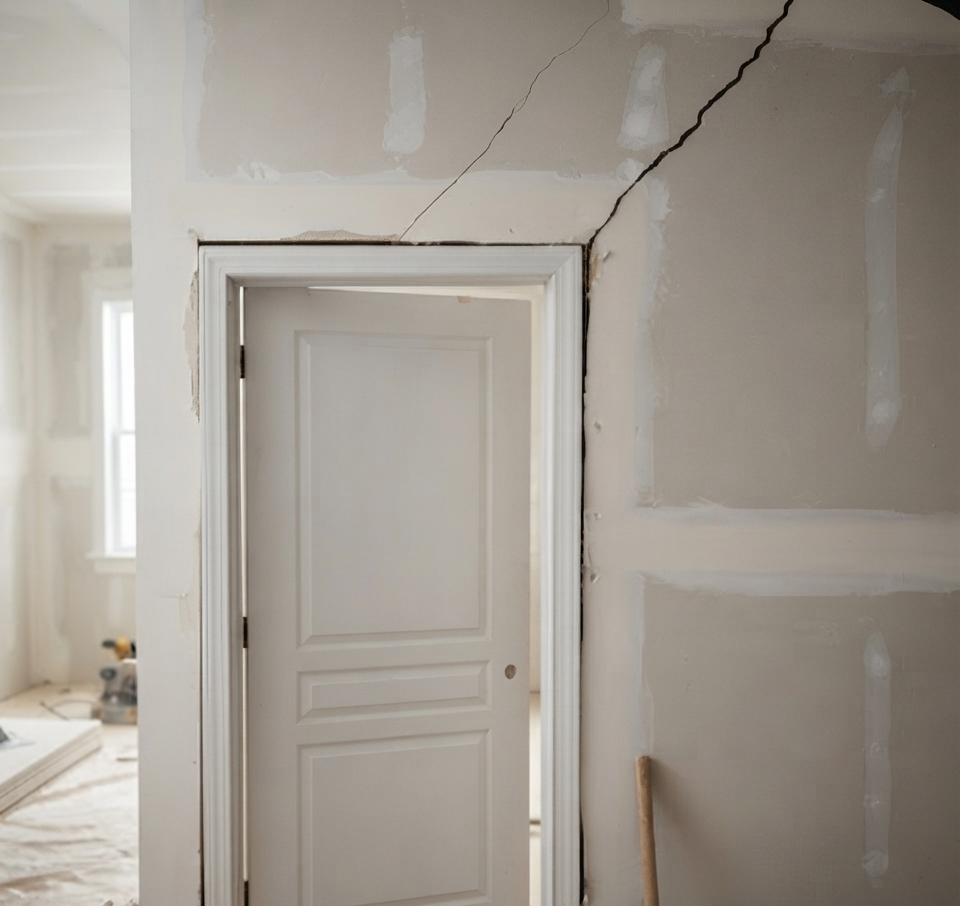
Even well-built homes may require adjustments after occupancy. Minor issues involving settling, trim work, doors, or HVAC balancing can appear during the first year.
Builders who remain responsive after project completion demonstrate long-term commitment to customer satisfaction. Homeowners should ask how post-construction service requests are handled and how quickly support is typically provided.
Established Custom Home Builders Supporting Smarter Construction Decisions
Starting a custom home project requires much more than selecting a floor plan or choosing finishes. Homeowners who ask thoughtful, detailed questions before construction begins gain a better understanding of budgeting, scheduling, communication, warranties, and design flexibility. These conversations help establish realistic expectations while reducing the risk of misunderstandings during construction. Clear communication and transparency create stronger working relationships and support smoother project coordination from planning through final completion.
Homeowners throughout Burbank, California, continue choosing Cal-X Builders Inc.
for custom home projects that require thoughtful planning, reliable construction management, and personalized design guidance. With 7
years of industry experience, we understand the importance of clear communication, transparent budgeting, and organized project coordination from the earliest planning stages through final completion. We work closely with clients to create custom homes that reflect individual lifestyles while maintaining strong construction standards and dependable craftsmanship throughout the process.